
Female Bladder Specialist in UAE, Ajman | Dr. Zahra Jahanabadi


Bladder symptoms can affect some important aspects of your life like sleep, exercise or work. Many women quietly manage leakage or urgency for years before seeking help. As a Female Bladder Specialist in UAE, Ajman I provide a safe space to talk about bladder and pelvic floor concerns, with thoughtful care and evidence-based treatments.
My name is Dr. Zahra Jahanabadi, a Consultant Urologist with more than 18 years of experience in female and functional urology. My practice is based at Thumbay University Hospital in Al Jurf, Ajman. I welcome women from Ajman as well as Dubai, Sharjah and other parts of the UAE.
Bladder Problems in Women: When Your Bladder Takes Over
A healthy bladder rarely asks for your attention. It fills quietly during the day and lets you sleep through the night. When you’re ready to go, it empties. You can sit through a work meeting or enjoy dinner with your family without thinking about the nearest toilet.
When that changes, the day starts to revolve around the bathroom. One woman told me she knows where every public toilet in Sharjah is. Another keeps spare clothes in her car. Someone else stopped drinking water after dinner because she was waking four times a night.
Many women live with these problems for years. They put it down to childbirth or menopause and carry on.
I tell my patients this: if you leak urine or feel a sudden need to rush to the toilet, there is a reason. The same is true if passing urine burns or you need to go far more often than you used to. We can look for the cause and talk about treatment.
The Role of a Female Bladder Specialist
A female bladder specialist treats conditions that affect bladder control and pelvic floor function.
Female bladder care includes the diagnosis and treatment of:
- Urinary incontinence
- Overactive bladder
- Recurrent urinary tract infections
- Bladder pain syndrome
- Interstitial cystitis
- Pelvic organ prolapse
- Urinary retention
- Neurogenic bladder
- Pelvic floor dysfunction
- Lower urinary tract dysfunction
The same symptom does not always have the same cause. A sudden urge to pass urine could point to an overactive bladder. In another woman, it could be linked to an infection. Finding the cause helps guide treatment.
I am a member of the European Association of Urology and the International Continence Society. Where applicable, I provide care within a DHA-licensed professional framework.
Understanding Bladder Dysfunction in Women
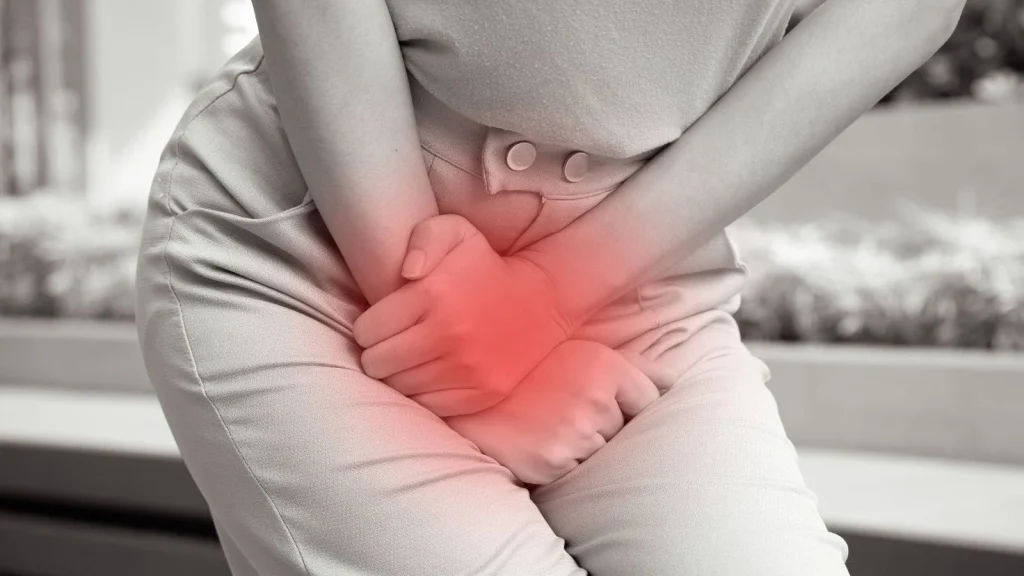
Your bladder has two jobs: to hold urine comfortably and to empty when you’re ready. The bladder muscle and pelvic floor help make this happen. Nerves carry signals between the bladder and brain. If part of this system isn’t working as it should, symptoms can develop.
1. Storage Problems
Storage problems appear while the bladder is filling. You might feel a sudden and difficult-to-ignore need to urinate or find yourself visiting the bathroom more often than usual.
Some women wake several times during the night. Others notice leakage when they cough, exercise or fail to reach the toilet quickly. Bladder discomfort can also be part of the picture.
2. Emptying Problems
Emptying problems can make urination feel slow or difficult. You might wait before the stream begins or need to strain to get it started. The flow can stop and restart.
Even after using the toilet, you may still feel that your bladder has not fully emptied. Over time, this can be linked with repeated urinary infections.
When Symptoms Overlap
Some women have trouble both holding urine and emptying their bladder. A bladder diary helps show when symptoms happen. Urine testing can check for infection.
Depending on what we find, an ultrasound scan or urodynamic testing can help guide the next step.
Common Conditions Treated by a Female Bladder Specialist in the UAE
Women across the UAE seek help for bladder problems linked to childbirth. Symptoms can also begin during menopause or later in life. Finding the cause is an important first step toward choosing the right care.
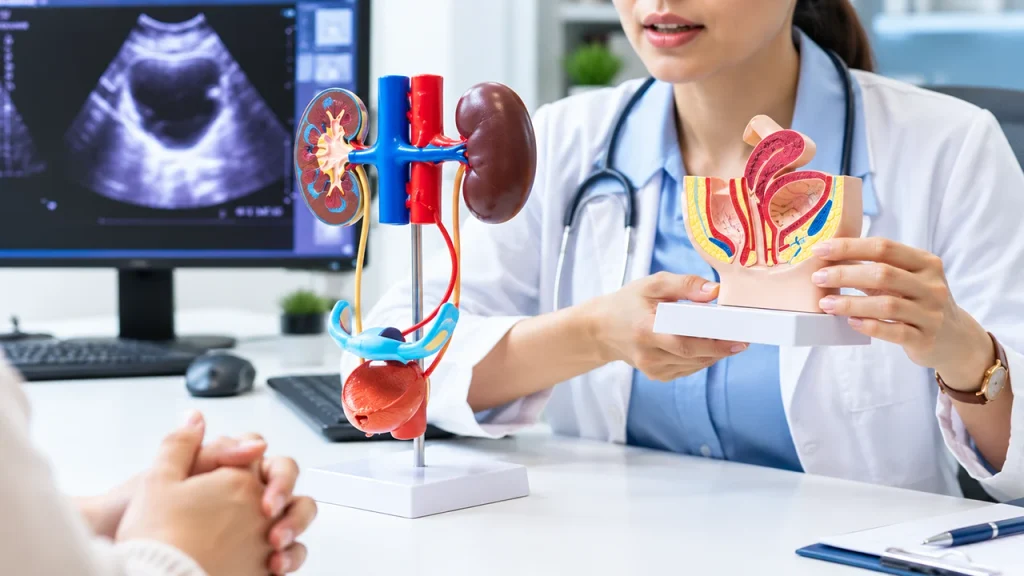
1- Stress Urinary Incontinence
Stress incontinence causes urine leakage when pressure builds in the abdomen. A careful review helps determine whether pelvic floor therapy or another treatment would be suitable.
2- Overactive Bladder
Overactive bladder brings a sudden urge to urinate that can be hard to delay. Frequent bathroom visits and waking at night are also common. Some women leak before reaching the toilet.
Care often begins with bladder training and pelvic floor therapy. Medication and nerve-based treatment can help when symptoms remain.

3- Mixed Urinary Incontinence
Mixed incontinence combines leakage with coughing or exercise and leakage caused by a sudden urge. One type can affect daily life more than the other.
Treatment focuses first on the symptom causing the greatest difficulty. Pelvic floor exercises can help some women. Others benefit from bladder training or medication. A combined approach is often the most practical choice.
4- Recurrent Urinary Tract Infections
Recurrent UTI usually means two confirmed infections within six months or three within one year. Burning and frequent urination need careful review because they do not always mean an infection.
A review of urine test results can help identify the cause.
5- Bladder Pain Syndrome
This syndrome causes pressure or discomfort in the bladder area. Bladder Pain Syndrome often comes with urgency and frequent urination even when tests do not show an infection.
Symptoms can flare after certain foods or during periods of stress. Treatment is shaped around each woman’s symptoms.
6- Pelvic Organ Prolapse
This condition develops when the tissues supporting the pelvic organs become weaker. A woman might notice a vaginal bulge or a feeling of heaviness. Urine leakage and difficulty emptying the bladder can occur too.
Pregnancy and childbirth are common contributing factors. Ageing and previous pelvic surgery can also affect pelvic support.
7- Neurogenic Bladder
A neurogenic bladder occurs when a neurological condition disrupts communication between the brain and bladder. Multiple sclerosis, Parkinson’s disease and stroke can affect bladder control.
Diagnosing Female Bladder Problems
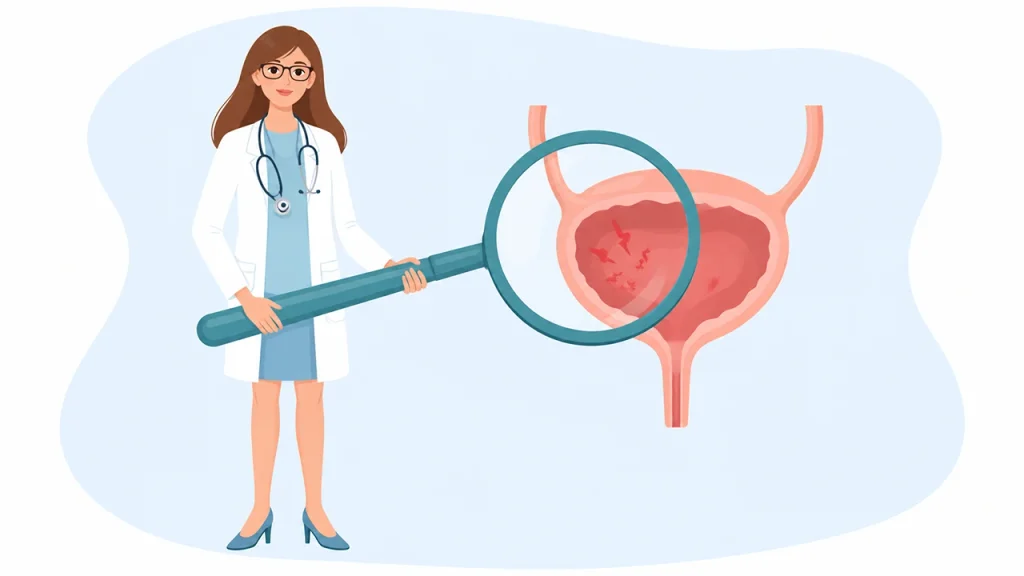
The right treatment starts with finding the cause of your symptoms. I begin by listening to your concerns and reviewing your health history. The next step depends on what your symptoms suggest.
Main Diagnostic Methods are:
Symptom and health history
We review your bladder symptoms and health history. This includes any factor(s) that could affect bladder function.
Three-day bladder diary
You record what you drink and when you drink it. You also note bathroom visits, urine volume, urgency and leakage. This gives a clearer picture of your bladder routine.
Pelvic examination
This checks the vaginal tissues and pelvic floor muscles. It can show prolapse, weak muscles or muscles that remain too tight.
Urine tests
A urine test can detect blood or signs of infection. A urine culture can confirm bacteria and help choose the right antibiotic. This can prevent unnecessary treatment when another condition is causing the symptoms.
Bladder emptying check
A post-void residual test measures the urine left after you pass urine. An ultrasound can often provide this information without a catheter.
Urodynamic testing
This test studies bladder sensation and storage. It also checks how well the bladder empties. The test can usually clarify difficult cases.
Cystoscopy and imaging
Cystoscopy allows the urethra and bladder to be viewed from inside. It is used when your symptoms or test results make it necessary.
Best Treatment Approaches for Female Bladder Disorders

Treatment works best when it is shaped around your diagnosis. Most women benefit from a step-by-step plan rather than one treatment alone.
Pelvic Floor Muscle Training
Exercises can help reduce stress incontinence. The right technique is important. Some women need a gradual strengthening program. Others have tight pelvic floor muscles and need help learning how to relax them.
Bladder Training
The training of bladder helps create a healthier bathroom routine. It uses planned toilet visits and techniques that calm a sudden urge.
Progress takes time and regular practice. Guidance from a specialist can make the process easier.
Lifestyle Changes
There are many small changes that can ease bladder symptoms including:
- Reducing caffeine and alcohol
- Identifying foods and drinks that irritate the bladder
- Drinking enough water throughout the day
- Managing constipation
- Maintaining a healthy weight
- Planning fluid intake around daily activities
- Avoiding severe fluid restriction
For the best advice, visit a doctor who can review your symptoms and recommend a plan that suits your needs.
Medication
Certain Medication(s) can be helpful for some women with an overactive bladder.
If you are post-menopausal and experiencing vaginal or urinary changes local vaginal oestrogen might provide relief. Women with confirmed recurrent urinary infections can sometimes benefit from preventive antibiotics.
I will only recommend medication treatments when they are appropriate. Please do not start or stop any medicine without medical advice.
Pelvic Floor Physiotherapy
Your pelvic floor can affect bladder control and pelvic comfort. A trained physiotherapist can identify whether these muscles need strengthening or relaxation. They can then create a personalized program with targeted exercises and practical techniques.
This type of care can be particularly useful when urinary symptoms occur alongside pelvic pain or discomfort during intercourse. Treating the bladder alone may not resolve the underlying muscle problem.
Benefits of Seeing a Women Bladder Specialist in the UAE, Ajman
Women in the Ajman, UAE have access to world-class specialists and modern medical care. Additional benefits include:
- Highly trained female urologists and urogynecologists
- Advanced equipment and minimally invasive technology
- Private, comfortable clinical settings
- Multilingual doctors
- Short waiting times
- Personalized treatment plans
Whether you live in Dubai, Abu Dhabi, or Sharjah, you can find specialists offering comprehensive, compassionate bladder care.
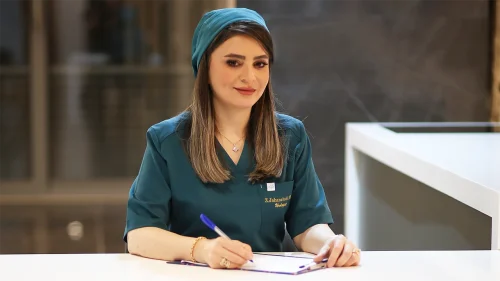
Arrange a Consultation With Dr. Zahra Jahanabadi
If you are ready to talk about your symptoms, booking a consultation is a simple first step. It does not commit you to a test or treatment. It gives us time to understand what is happening and discuss a plan that fits your needs.
I see patients at Thumbay University Hospital, Al Jurf, Ajman, United Arab Emirates.
If you have visible blood in your urine or cannot pass urine, seek immediate medical attention. Fever with urinary symptoms or rapidly worsening pain also deserves urgent checkup.





You can submit the first comment for this post using the form above.