


Pelvic pain can affect women at any stage of life. It can appear as a dull ache, sharp pain or pressure in the lower abdomen. Some women notice discomfort only during their menstrual cycle while others experience pain during urination, bowel movements, sexual intercourse or pregnancy.
Finding the right pelvic pain treatment in Ajman, UAE begins with understanding the cause. Pelvic pain is not a condition on its own. It is a symptom that may be linked to the reproductive system, urinary tract, digestive organs, pelvic floor muscles or nerves. Because several conditions can create similar symptoms, a professional medical assessment is important.
What Pelvic Pain Actually Means
The pelvis is a complex region containing many reproductive organs and tissues. Pain in this area can originate from any of these structures, which is why diagnosis requires a thoughtful, experienced clinical approach rather than a one-size-fits-all assessment.
Medically, pelvic pain is classified as either acute — meaning sudden in onset and short-lived — or chronic, which describes pain lasting six months or more. Both types deserve attention, but chronic pelvic pain in particular tends to be underdiagnosed and undertreated, partly because women normalize it, and partly because it overlaps with so many different conditions.
Why Pelvic Pain Is Often Misdiagnosed
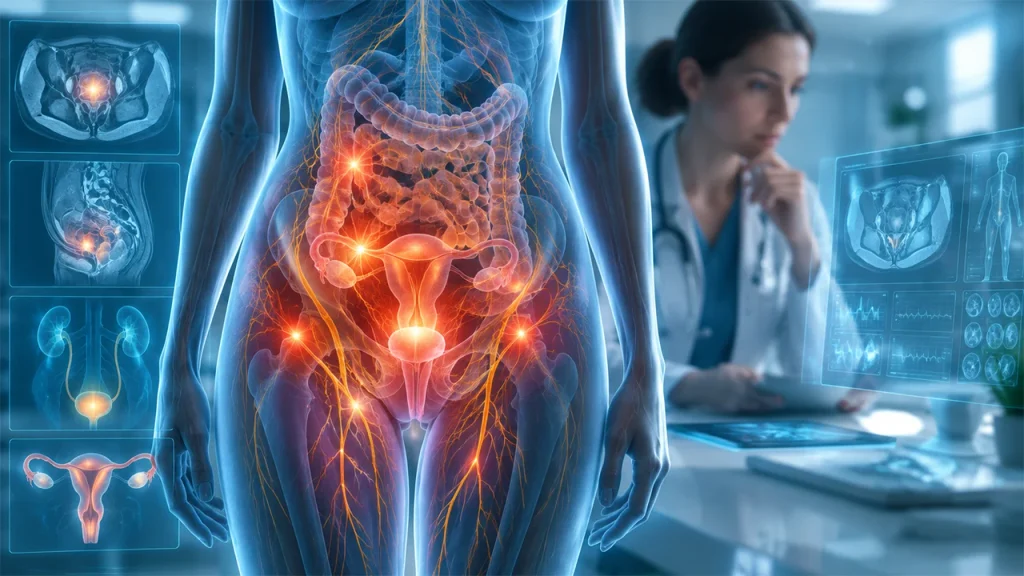
One of the most heartbreaking things I hear from my patients in Ajman is: “I have been to multiple doctors, and no one could tell me what is wrong.” You are not alone in this experience. Research suggests that around 15% to 26% of women worldwide live with chronic pelvic pain, yet it remains one of the most underdiagnosed and misunderstood conditions in women’s health.
Why does this happen?
Pelvic pain can originate from urological, gynaecological, gastrointestinal, musculoskeletal, and neurological systems. The pain signals overlap and confuse both patients and doctors. Many organs are packed tightly into a small space. Pain from one organ can easily be mistaken for another.
A woman with interstitial cystitis or bladder pain syndrome might repeatedly be treated for urinary tract infections. Someone with high-tone pelvic floor dysfunction can be told that nothing is wrong because her ultrasound looks “normal.” Meanwhile, a woman with endometriosis could spend years waiting for someone to take her period pain seriously.
As a pelvic pain specialist and female urologist in Ajman, I take a broader approach to care. Rather than focusing only on your bladder, I look at your overall pelvic health that may be connected to your pain. Most importantly, I take the time to listen to your story and understand how the pain has affected you.
Is my pelvic pain “all in my head”?
Your pain is real. Stress and poor sleep can make it worse, but they don’t cause it or make it imaginary. Sometimes, the nervous system becomes overly sensitive, even when scans appear normal. This is a genuine medical condition, not something you should blame yourself for.
Treatment Options for Pelvic Pain in Ajman
Pelvic pain does not have one standard treatment. The right plan depends on your individual needs and circumstances. My approach is to begin with the least invasive treatment likely to help, while addressing the source of the pain.
Non-surgical treatment
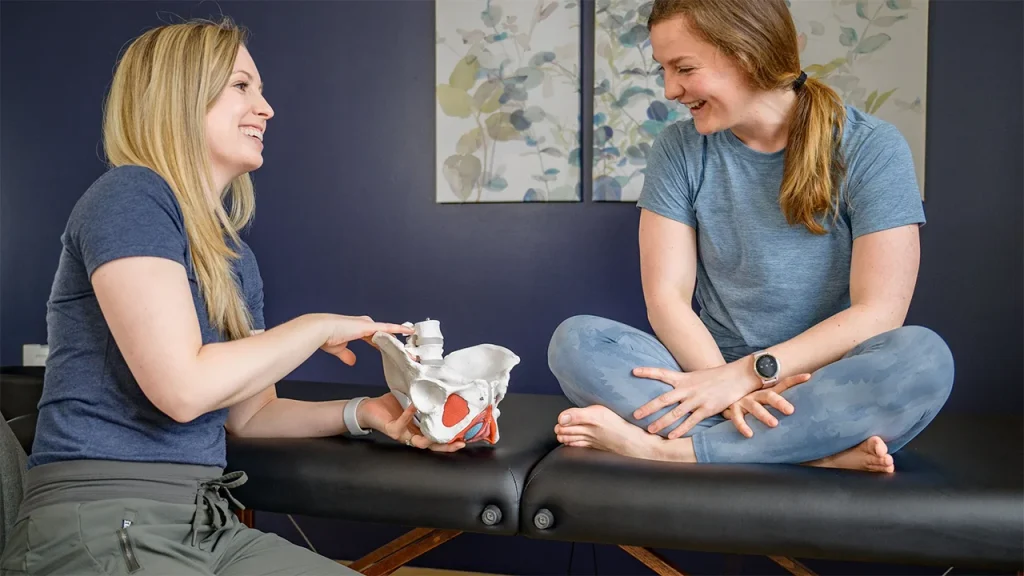
Many women improve with a combination of lifestyle changes, physical therapy, and medication. Treatment might include:
- Pelvic floor physiotherapy
- Breathing, relaxation, and gradual physical activity
- Heat therapy and improved sleep
- Changes to bladder and bowel habits
- Dietary adjustments and identifying personal triggers
- Pain education or cognitive behavioral therapy
- Selected complementary treatments, such as acupuncture
For bladder pain syndrome, we can review your fluid intake, identify foods or drinks that worsen your symptoms, and reduce bladder irritants. These changes are personalized to your symptoms rather than based on a restrictive plan for everyone.
Medication
The medication recommended depends on the type of pain and your general health. Options can include:
- anti-inflammatory medicines for selected inflammatory or menstrual pain
- hormonal treatment for endometriosis-related symptoms
- medicines for nerve-related or nociplastic pain
Muscle relaxants are sometimes useful when the pelvic floor muscles are tight or in spasm.
Antibiotics are prescribed only when an infection is confirmed or strongly suspected. Bladder-specific medicines can also help with certain bladder conditions.
Procedures and injections
If symptoms continue despite non-surgical treatment, an appropriate procedure could be considered. Depending on the cause, options include:
- Trigger-point injections for painful pelvic floor muscles
- Pudendal nerve blocks for selected nerve pain
- Botulinum toxin injections for persistent muscle spasm
- Intravesical treatments for bladder pain syndrome
- Image-guided procedures when clinically appropriate
Before recommending a procedure, I will explain everything you need to know before deciding.
Surgery
Surgical treatments are usually reserved for cases where there is a clear cause that needs treating, or when other treatments have not provided enough relief.
Procedures such as routine adhesiolysis or laparoscopic uterine nerve ablation are not recommended for everyone, as they often offer limited benefit in chronic pelvic pain.
Our plan is to help you feel better, avoid an operation unless you really need one, and make sure you can still have children in the future.
The Power of Pelvic Floor Physical Therapy

When many women think of pelvic pain treatment, they think of painkillers or surgery. However, pelvic floor physical therapy is an important first-line treatment for many forms of pelvic pain, particularly high-tone pelvic floor dysfunction and myofascial pain.
High-tone pelvic floor dysfunction means the pelvic floor muscles are overactive or unable to relax properly. This can cause pain.
Pelvic floor therapy may involve:
- Myofascial release: Gentle manual techniques to relax tight pelvic tissues
- Biofeedback: Sensors that help you understand and coordinate muscle relaxation
- Trigger-point treatment: Therapy directed at painful muscle knots
- Breathing and relaxation training
- Home exercise program
- Guidance on posture, movement, bowel habits, and self-care
At Thumbay University Hospital in Ajman, I coordinate care with trained pelvic floor physiotherapists and other specialists.
Many patients can achieve meaningful improvement without invasive treatments, although progress may take time and usually requires regular participation.
Breaking the Cycle of Chronic Pelvic Pain
Chronic pelvic pain can become a loop:
- Pain
- muscle guarding and poor sleep
- more stress
- a more sensitive nervous system
- more pain
Breaking that cycle is a medical strategy, not a motivational speech.
You don’t have to figure this out alone. Together, we’ll make sense of what your body is feeling, calm your nervous system, and use practical support (from physical therapy and medication to counseling) to ease pain and worry. We’ll take things entirely at your pace so you can comfortably get back to daily life.
Multidisciplinary pelvic pain management in Ajman is the gold standard because no single specialty owns the pelvis. The best outcomes come from combining:

- Female urology / urogynecology
- Gynaecology, when endometriosis or ovarian disease is likely
- Pelvic floor physiotherapy
- Pain medicine or neurology for selected nerve pain
- Psychological support and, when needed, sexual counselling
- Dietetic advice for bladder and bowel triggers
A 2025 review of multidisciplinary care for women with chronic pelvic pain found that combining several types of treatment led to greater pain reduction than relying on a single specialty alone.
That fits what I see in clinic. Women often do better when their care addresses the whole picture, such as pelvic muscle therapy, bladder symptoms, and a clear explanation of what may be driving their pain. Repeating one isolated test after another rarely provides the same benefit.
Understanding pain can help you feel more in control. Regular follow-up allows us to see what is helping, what is not, and when the plan needs to change.
Why Early Assessment Matters
Leaving pelvic pain untreated can allow some conditions to become more complicated. Infections may spread, endometriosis may continue to affect surrounding tissue and ovarian problems may become urgent.
Early evaluation can also provide reassurance when the cause is minor. Many women delay seeking help because they feel embarrassed or believe pain is a normal part of menstruation. Severe or persistent pain is not something you need to manage alone.
Book a Pelvic Pain Consultation in Ajman
Persistent pelvic pain deserves proper attention. If you are searching for pelvic pain treatment in Ajman, UAE, choose a medical clinic where your symptoms can be evaluated carefully.
Book your pelvic pain consultation with Dr. Zahra Jahanabadi at Thumbay University Hospital, Ajman, and take the next step toward better answers and more effective care.



You can submit the first comment for this post using the form above.