
Urinary Tract Infection (UTI) Treatment in UAE, Ajman | Dr. Zahra Jahanabadi


A urinary tract infection can turn an ordinary day into a struggle. Burning during urination and the constant need to use the bathroom can interrupt sleep and make it hard to focus at work. Worry about the infection getting worse can add to the strain.
As a female urologist in Ajman, I provide Urinary Tract Infection (UTI) treatment across the UAE. Care starts with an accurate diagnosis and a treatment plan suited to your needs. This page focuses on acute bladder infections in otherwise healthy women. It also covers infections that happen once or only occasionally.
Repeated infections need a different assessment and prevention plan. Two or more UTIs within six months count as recurrent. The same applies to three or more infections within a year. Learn about recurrent UTI treatment for further guidance.
Common Urinary Tract Infection Symptoms
A urinary tract infection starts when bacteria enter the urinary system and begin to grow. Most uncomplicated infections affect the bladder. Doctors call this cystitis.
Urinary Tract Infection can feel different from one woman to another. You might notice one mild change at first or several symptoms that make urination uncomfortable and difficult to ignore.
Common signs include:
- Burning or pain while passing urine. The medical term is dysuria
- A sudden need to urinate
- More frequent trips to the bathroom
- Only a small amount of urine passing each time
- Urine that looks cloudy
- A strong smell from the urine
- Urine that appears darker than usual
- Pressure in the lower abdomen
- Discomfort around the pelvis
- Blood in the urine. This is known as hematuria
A change in urine smell by itself does not always point to a UTI. This is especially true when you have had less fluid and your urine has become concentrated.
When to Seek Urgent Care
Seek medical help immediately when urinary symptoms appear alongside signs that the infection could be affecting your kidneys or your overall health:
- A raised temperature or fever
- Shivering or chills
- Pain in your back or along your side
- A deep ache around the flank
- Feeling sick or nauseated
- Repeated vomiting
- Unusual weakness or exhaustion
- New confusion or difficulty thinking clearly
- Trouble drinking enough fluids
- Being unable to keep fluids down
These warning signs can point to pyelonephritis. This is a kidney infection that needs medical attention rather than routine care for a bladder infection.
How Long Symptoms Can Last
When I treat an uncomplicated urinary tract infection, I usually expect symptoms to start easing within about 48 hours. Complete recovery often takes between 3 and 7 days. The exact timeframe depends on the bacteria causing the infection and how well the selected antibiotic targets it. Your overall health and the accuracy of the diagnosis also influence your recovery.
I ask my patients to contact me if their symptoms have not started to improve after 48 hours of treatment. This can happen when the bacteria are resistant to the prescribed antibiotic, when a different antibiotic is needed, or when another condition is causing the symptoms.
Why Women Get UTIs More Easily
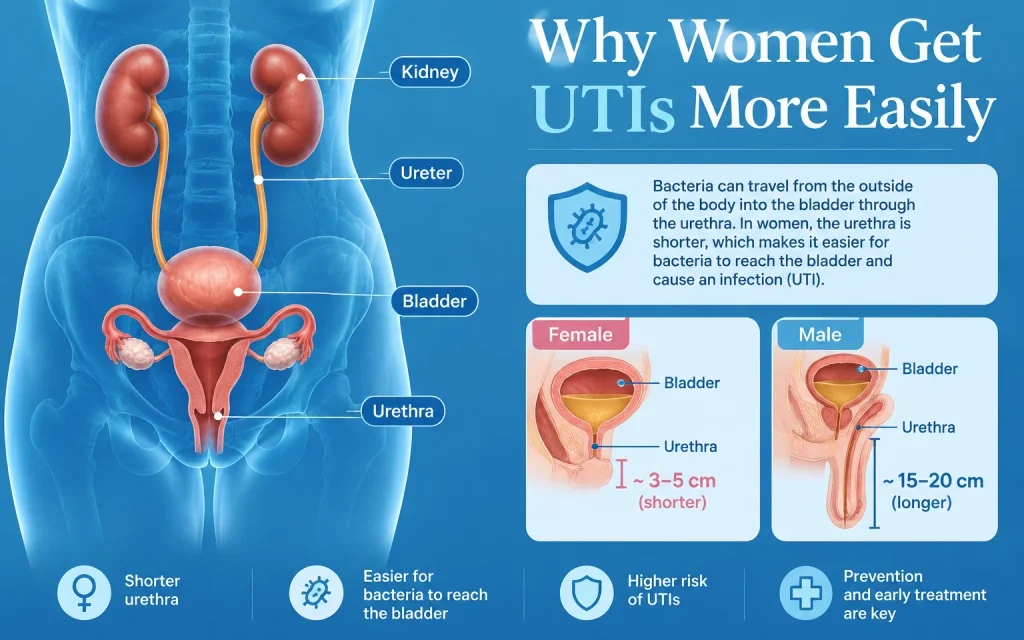
Women face a higher risk of urinary tract infections because the urethra is shorter. Bacteria therefore have less distance to travel before reaching the bladder.
Most UTIs are caused by Escherichia coli, commonly known as E. coli. This bacterium normally lives in the bowel. It can cause trouble when it moves into the urinary tract. Other bacteria are after likely to be involved in complicated infections or after recent antibiotic use.
Main Risk Factors
An acute UTI becomes more likely with:
- Sexual activity
- A new sexual partner
- Spermicide use
- Previous UTIs
- Difficulty emptying the bladder
- Regularly holding urine or Constipation
- Diabetes
- Pregnancy
After menopause, lower estrogen levels can make vaginal and urinary tissues thinner and drier. These changes can disturb the natural vaginal balance and leave some women more prone to urinary symptoms and infection.
Living in the UAE brings another practical consideration. Hot weather increases fluid loss through sweating. Not drinking enough water and delaying bathroom breaks during a demanding day can add to urinary discomfort.
Still, burning during urination does not always mean a bacterial UTI. Vaginal irritation and sexually transmitted infections can feel similar. Bladder pain syndrome and pelvic floor problems may also cause comparable symptoms.
Diagnosing Urinary Tract Infections in Ajman
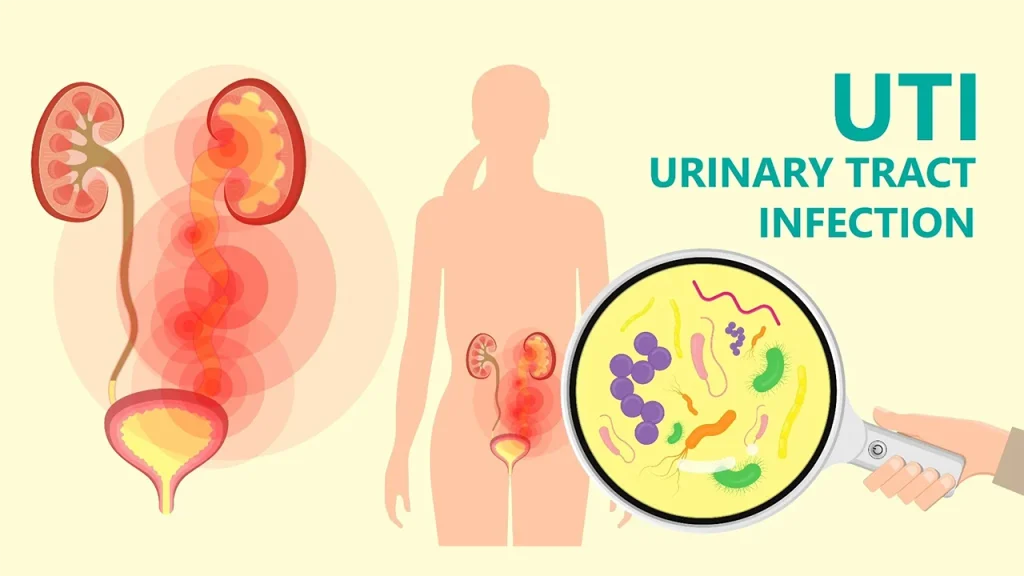
A UTI diagnosis begins with a conversation. I usually ask about your symptoms and how they started. A physical examination can provide further clues. Urine testing is arranged when your symptoms or medical history make it necessary.
When infections keep returning, a urine culture can be useful. It identifies the bacteria responsible and helps us select an antibiotic that is more likely to work.
Important Note: UTI symptoms can resemble those of a sexually transmitted infection. If there is any possibility of exposure, discuss STI testing with us before beginning treatment.
Bacteria Without Symptoms
Sometimes bacteria appear in the urine even though the person feels completely well. This is called asymptomatic bacteriuria. It occurs more often in women and older adults. Certain medical conditions can also increase its likelihood.
Some women benefit from further bladder testing. When urinary symptoms persist without a clear infection, urodynamic testing and bladder diagnostics may help assess bladder function and pelvic floor involvement.

Antibiotic Treatment for a UTI: Read Carefully

When an uncomplicated bladder infection is confirmed or strongly suspected, antibiotics are usually the right treatment. I choose one based on your symptoms and medical history.
The specialist usually considers one of the following options:
- Nitrofurantoin
- Trimethoprim, where appropriate
- Fosfomycin
- Other antibiotics selected according to culture results and local guidance
A urine culture can point to a different antibiotic when needed. There is no single prescription that suits everyone.
For some non-pregnant adults with an uncomplicated lower UTI, NICE guidance includes a three-day course of nitrofurantoin when kidney function is suitable. The dose depends on the formulation. That is why I would not advise choosing a dose from an online article.
Treatment can take longer during pregnancy or when other health factors make the infection harder to clear. If symptoms persist, I reassess rather than simply extending the same prescription.
Important Note: Please do not use leftover antibiotics or borrow someone else’s. A medicine that worked last time might not work against the bacteria causing this infection. It can also make the symptoms seem better without fully treating the problem.
Using Antibiotics Carefully
Antibiotic resistance is making UTI treatment more complicated. When antibiotics are used repeatedly, resistant bacteria can survive and cause infections that need more careful management.
A 2026 study from Gulf Medical University in Ajman examined 124 UTI cases at a tertiary-care center. The researchers reported frequent use of the broad-spectrum antibiotic meropenem and found resistance concerns that included ESBL-producing E. coli. These findings highlight the value of culture-guided treatment in the Northern Emirates.
A stronger antibiotic is not automatically a better one. Broad-spectrum medicines can cause more side effects and disturb the natural balance of bacteria in the gut and vagina. They can also add to antibiotic resistance.
The aim is not to avoid antibiotics when they are needed. A confirmed bacterial UTI deserves proper treatment. The goal is to choose a medicine that is targeted and appropriate for your infection.
Comfort Measures During Recovery
Drink Fluids Regularly
Drink water at regular intervals to avoid concentrated urine. Do not force excessive amounts. Follow your doctor’s advice if you have a heart or kidney condition that requires fluid restriction.
Choose Pain Relief Carefully
Paracetamol can help with discomfort when used as directed. Ask your doctor before taking ibuprofen if you have kidney disease or stomach ulcers. You should also seek advice during pregnancy.
Limit Bladder Irritants
Coffee and alcohol can increase urgency. Fizzy drinks and spicy foods can worsen burning for some women. Avoid them temporarily if they make your symptoms worse.
Use Urinary Pain Relief with Care
Phenazopyridine can reduce burning but does not treat the infection. It can turn urine orange or reddish-orange. Speak with a clinician before using it.
Rest can help during recovery. Fever and worsening pain need medical attention. Persistent symptoms should not be managed with supportive measures alone.
When a UTI Needs Extra Attention
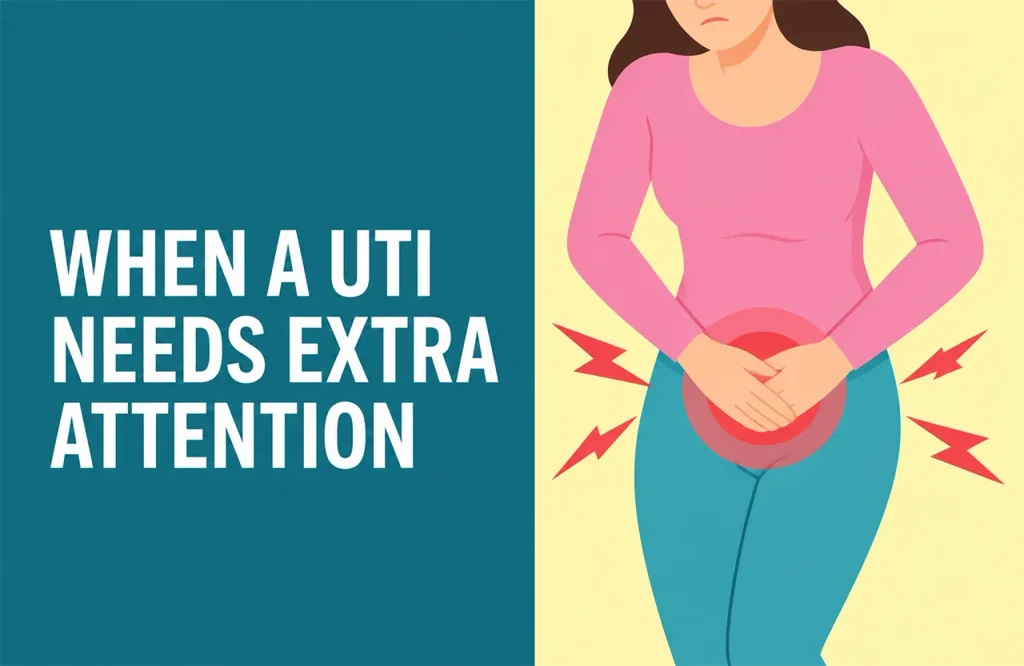
A bladder infection needs closer assessment when another health issue could make treatment less straightforward. This includes pregnancy and conditions that affect the urinary tract or immune system.
People with diabetes and kidney disease may need extra care. The same applies to those with urinary catheters or known urinary tract problems. Older adults with significant health conditions also benefit from prompt medical advice.
Fever and chills alongside pain in the back or side can point to a kidney infection. Nausea and vomiting are further reasons to seek care quickly. Go for urgent assessment if you feel severely unwell or cannot keep fluids down. A serious infection can spread beyond the bladder and rarely lead to sepsis.
Why Choose a Female Urologist for UTI Care?
Talking about urinary symptoms can feel deeply personal. Some women feel more comfortable with a female specialist who understands the physical and emotional side of these concerns. Cultural comfort can matter too.
As a female urologist, I provide:
- A private consultation built around respect
- A calm conversation about sensitive symptoms
- Care that considers pregnancy and childbirth
- Support through menopause and related changes
- A clear understanding of female anatomy
- An assessment that looks beyond the current infection
- Thoughtful antibiotic prescribing
- Simple explanations without confusing medical language
- A welcoming space for women across the UAE
I do more than prescribe an antibiotic. I look at what could be causing your symptoms and assess whether a UTI is truly the likely explanation. I also explain the warning signs that call for further medical care.
Book a Consultation
Burning during urination and sudden urgency deserve the right assessment. At your appointment, I will review your symptoms and medical history. When appropriate, I will arrange urine testing and discuss a suitable treatment plan.
Book an appointment with Dr. Zahra Jahanabadi, female urologist in Ajman, for confidential UTI care.





You can submit the first comment for this post using the form above.